
Carpet Pros, Cons, and What to Consider
Should you install carpet in your home, or would something else be a better fit?
This is a question we hear from homeowners planning renovations or replacing worn-out flooring every single day.
Carpet is still one of the most common flooring choices, especially in bedrooms and family spaces. But it also comes with some real concerns. For example, stains, wear, and how it holds up with pets or kids are some of the most common issues we hear about in our showroom.
At Floor Concepts, we help homeowners walk through this decision constantly. And the truth is, carpet can be a great choice in the right areas of your home, but maybe not everywhere.
For example, we recently worked with a homeowner who wanted carpet throughout their entire home for comfort. But after talking about their two dogs and a busy entryway, we ended up going with a mix of carpet and hard-surface flooring. It gave them the plush comfort they wanted in the bedrooms without the long-term maintenance frustration in the high-traffic areas.
In this article, we’ll walk you through the honest pros and cons of carpet flooring, where carpet works best, where it doesn’t, and exactly what to think about before deciding if it’s the right flooring for your home.
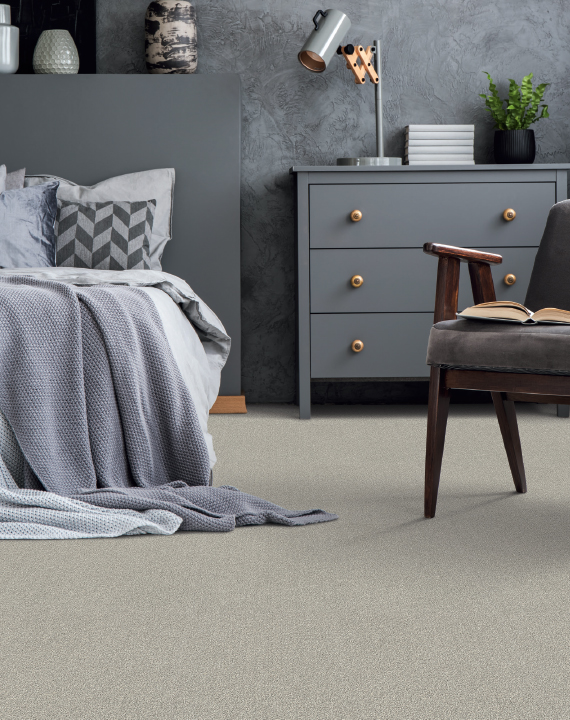
The Pros of Carpet Flooring
Even with all the modern hard-surface options available today—such as hardwood, luxury vinyl, and tile—carpet hasn’t gone away. There’s a good reason for that. There are simply some things carpet just does better than any other material.
Comfort You Can Feel
Carpet is easily the most comfortable flooring option available. It’s soft under your feet, which makes walking, sitting, or even lying on the floor more enjoyable. In spaces like bedrooms or family rooms, that physical comfort really matters.
You really notice this difference in bedrooms first thing in the morning. Stepping out of bed onto a soft, yielding surface instead of a cold floor is one of those small things that makes a positive difference every day. Carpet is also much easier on your body. It acts as a shock absorber to reduce pressure on your feet and joints, which can make a major difference in rooms where you spend a lot of time standing.
Warmth and Insulation
Carpet adds thermal warmth in a way hard surfaces simply can’t. It helps a room feel instantly cozy, especially during colder months, and acts as a natural extra layer of insulation. That added warmth can make everyday spaces feel much more inviting.
A More Budget-Friendly Option upfront
Carpet is often one of the more affordable flooring options, especially when you’re covering multiple rooms or massive square footage. Compared to hardwood or tile, both the raw material and the installation labor tend to cost significantly less. That’s why many homeowners choose carpet for bedrooms, finished basements, or large living areas.
That said, not all carpet is created equal. Lower-priced options can wear out faster, especially in busy areas. So while carpet can be budget-friendly upfront, choosing the right quality tier matters if you want your investment to last.
Quieter, More Peaceful Spaces
Carpet helps absorb ambient sound in a way hard flooring doesn’t. It softens heavy footsteps, reduces echoes, and makes a home feel quieter overall. We see this a lot in our Wilmington-area homes with second floors, where sound can travel down to the first floor more than people expect, especially early in the morning or late at night.
A Safer Option (Especially on Stairs)
Carpet adds a level of safety that hard surfaces simply cannot match. The textured surface provides more grip and cushioning, which can help drastically reduce slips and falls. This is especially helpful for young children, older adults, and pets.
And when it comes to stairs, carpet is often one of the absolute best choices. It gives you better traction, reduces the loud thumping noise of people walking up and down, and provides a softer surface if a fall does happen. In fact, many homeowners choose carpet on stairs even if they go with hard flooring everywhere else in the house.
Lots of Style Options
Carpet gives you immense flexibility in design. There is a wide range of colors, textures, loop styles, and patterns available today. You can easily find something that fits your space perfectly, whether you want something neutral and soft or a bold pattern with a bit more personality.
Faster, Simpler Installation
Compared to some hard-surface flooring, carpet installation is usually quicker and more straightforward. While there is still a massive amount of professional skill involved with stretching and seaming, it typically requires less time and causing less household disruption than installing tile or sand-in-place hardwood.
The Cons of Carpet Flooring
Carpet has a lot going for it, but it’s certainly not perfect. To make a smart buying decision, it’s important to look honestly at the disadvantages.
It Can Hold Dust and Allergens
Carpet fibers act like a giant air filter, trapping things like dust, pollen, and pet hair. Regular vacuuming helps, and deep professional cleaning makes a big difference. However, if someone in your home suffers from severe respiratory allergies or asthma, hard surfaces are usually much easier to keep completely sterile.
Stains Are a Real Concern
Spills happen. And with carpet, they can become an ongoing problem if they’re not handled immediately. Liquids can soak deep into the fibers and even settle into the padding underneath. We’ve seen situations where a small pet accident or drink spill wasn’t cleaned up right away and ended up causing a lingering odor because it reached the subfloor pad. Even with modern built-in stain protection, carpet is still more vulnerable to permanent spills than hard flooring.
Shorter Lifespan Than Hard Surfaces
Carpet simply doesn’t last as long as materials like hardwood, luxury vinyl, or tile. Most residential carpets fall somewhere in the 5–15 year lifespan range, depending on the material quality and how much traffic they see. A low-traffic guest bedroom may still look great after many years, while a central hallway or staircase can start to show "traffic lanes" and matting much sooner if the wrong product is used.
Ongoing Maintenance and Warranty Rules
Carpet needs regular care to look its best and to actually maintain your manufacturer’s warranty. That includes vacuuming multiple times a week, cleaning spills quickly, and periodic professional deep cleaning. In fact, most major manufacturers require you to show proof of professional hot-water extraction carpet cleaning every 12 to 18 months, or you will accidentally void your wear warranty. This doesn’t mean carpet is high maintenance—it just means it requires consistent care to protect your investment.
At a Glance: The Pros vs. Cons of Carpet
If you’re quickly weighing your options, here’s a quick side-by-side look at how the pros and cons stack up:
| Pros of Carpet | Cons of Carpet |
|---|---|
| Soft and comfortable underfoot — great for bedrooms and living spaces | Can stain easily — spills can soak into fibers and padding if not cleaned quickly |
| Adds warmth and insulation — helps rooms feel cozy, especially in colder months | Shorter lifespan — typically 5–15 years depending on quality and traffic |
| More budget-friendly upfront — often less expensive than hardwood or tile | Shows wear in high-traffic areas — hallways and stairs may wear faster |
| Reduces noise — absorbs sound and softens footsteps, especially in multi-level homes | Requires regular maintenance — regular vacuuming, spot cleaning, and periodic professional cleaning |
| Safer surface — more grip and cushioning, especially helpful for kids and older adults | Can trap dust and allergens — may not be ideal for severe allergy sufferers |
| Great for stairs — adds traction, reduces noise, and improves household safety | Not ideal for moisture-prone areas — completely unsuited for bathrooms, kitchens, and damp basements |
| Wide variety of styles — hundreds of colors, textures, and patterns to match any home design | Can be challenging with pets — hair, stains, and lingering odors may require extra specialized care |
| Faster, simpler installation — generally less household disruption than hard surfaces | Quality varies widely — lower-cost options may look worn out very quickly if placed in the wrong room |
Where Carpet Works Best In The Home
Carpet isn’t an all-or-nothing decision. In many homes, it works best in specific areas.
Bedrooms
This is easily the most popular place for carpet. There’s nothing quite like stepping onto a soft, warm floor first thing in the morning. It also helps create a quieter, more relaxing environment and makes the room feel like a cozy retreat.
Family Rooms and Living Spaces
If your family spends a lot of time watching movies, playing games on the floor, or just hanging out together, carpet can make that shared space feel much more comfortable and inviting.
Stairs and Hallways
Carpet is an excellent choice for staircases. It adds vital traction, reduces echoing noise, and makes one of the most heavily used areas of the home feel safer. In hallways, it also helps soften the sound of foot traffic and creates a comfortable, quiet flow between rooms.
Basements (In the Right Conditions)
In finished basements, carpet can help make a cold underground space feel significantly warmer and more livable. You do want to be mindful of checking for moisture issues first, but in a dry, finished basement, it can be a great option.
Where Carpet May Not Be the Best Flooring Choice
There are also areas where carpet usually isn’t a smart option due to daily wear and tear.
Kitchens and Dining Areas
Kitchens and dining rooms tend to see constant food spills, grease splatters, and heavy traffic. Interestingly, there was a time—especially in the 1970s—when putting carpet in kitchens and even bathrooms was a popular trend. While it may have felt warm and stylish at the time, most homeowners today strongly prefer hard flooring that’s easier to sanitize and completely resistant to moisture in food zones.
Bathrooms
Bathrooms are constantly exposed to standing water, high humidity, and germs. Because of that, carpet is rarely, if ever, recommended here. It can trap moisture against the floor and lead to mold issues underneath.
Homes with Heavy Pet Activity
If you have multiple pets, young puppies, or a highly active household tracking mud indoors, wall-to-wall carpet can be more challenging to maintain. That doesn’t mean it’s completely off the table—but it does mean choosing the right type of fiber and being realistic about cleaning. In some cases, we recommend limiting carpet to secondary bedrooms instead of using it throughout the main living areas.
What to Consider Before You Buy Carpet
If you’re thinking about carpet, there are a few technical details that really matter to your long-term happiness with the floor.
The Type of Fiber
Not all carpet is made from the same raw material. Different carpet fibers offer completely different levels of durability, softness, and stain resistance. The best choice depends heavily on how the room will be used.
Stain Resistance
If you have kids or pets, this becomes your number one priority. Choosing a carpet with built-in stain protection rather than an aftermarket spray treatment can make a massive difference over time when treating accidental spills.
How Much Traffic Does the Area Get?
High-traffic areas need a denser carpet construction with a higher twist level. Hallways, stairs, and busy family living spaces will wear completely differently than a quiet guest bedroom. Matching the durability rating of the product to the actual footprint of the space is key.
Padding Matters More Than Most People Think
One of the most overlooked parts of a carpet project is the cushion padding underneath. We often tell homeowners that the padding is just as important as the carpet itself! A high-quality pad improves underfoot comfort, helps with thermal insulation, and can drastically extend the life of your carpet by protecting the backing from grinding against the subfloor—especially on heavy-traffic stairs.