Author: Sean Henry, Owner of Floor Concepts
Date Updated: October 22, 2026
Executive Summary: The best commercial flooring depends on how your business uses the space. Before choosing a product, consider:
Glue-down LVP, carpet tile, sheet vinyl, tile, hardwood, and rubber flooring can all be good choices in the right setting.
Choosing flooring for your business isn’t only about looks. Your floor might need to handle hundreds of people each day, rolling chairs, wheelchairs, carts, spills, cleaning, deliveries, and anything else your business brings.
We know this situation well. We recently remodeled our own Floor Concepts showroom and learned firsthand what it’s like to stay open during construction.
With over 40 years of experience installing commercial flooring in Wilmington, we’ve worked in all kinds of spaces: churches, medical offices, retail stores, warehouses, restaurants, apartments, nursing homes, and even indoor playgrounds.
One thing we’ve learned is this: Don’t start by asking, “What’s the best commercial flooring?” Instead, ask, “What does my floor need to handle every day?”
Before you start looking at colors and samples, think about how your business actually operates.
Ask yourself:
A private office doesn’t have the same flooring needs as a grocery store. A church sanctuary doesn’t need the same floor as a multi-purpose room. An MRI room has different requirements than a restaurant.
The best commercial flooring isn’t necessarily the toughest or most expensive product. It’s the one that fits the job.
Here’s a quick overview of some options we often see:
| Flooring | Best For | Watch Out For | Often Used In |
|---|---|---|---|
| Glue-Down LVT/LVP | Durable, easy to clean, individual pieces can be repaired | Firm underfoot; proper subfloor prep is important | Medical offices, retail, education, apartments, offices |
| Commercial Carpet/Carpet Tile | Comfort and sound control | Stains and wear in heavy-traffic areas | Offices, churches, hotels |
| Sheet Vinyl/Linoleum | Easy to clean with fewer seams | Subfloor preparation is critical | Healthcare, nursing homes |
| Ceramic/Porcelain Tile | Moisture resistant and long-lasting | Hard underfoot; grout requires maintenance | Restaurants, entrances, bathrooms |
| Hardwood/Engineered Wood | Warm, high-end appearance | Moisture and heavy traffic can be concerns | Professional offices, churches, restaurants, boutiques |
| Rubber Flooring | Durable, comfortable, good traction | Not the right look for every business | Gyms, healthcare, daycares |
You’ll see there isn’t a single “best” choice in that table.
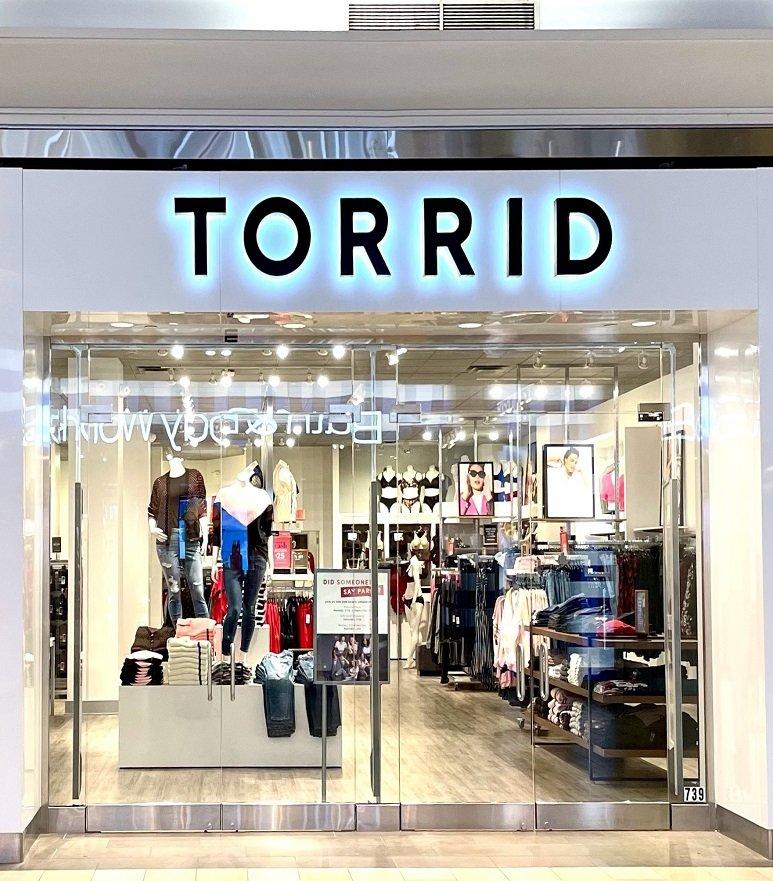
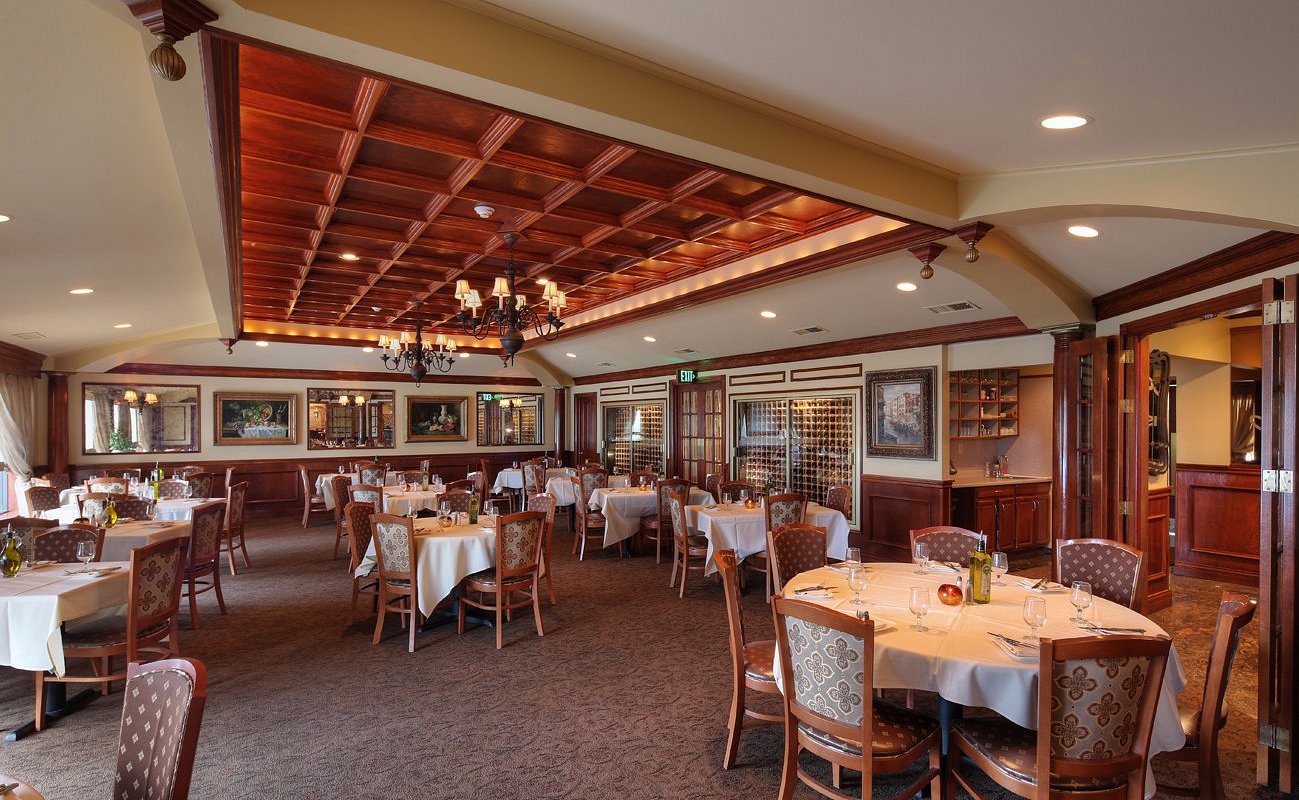
We’ve installed commercial flooring in banks, mall shops, grocery stores, warehouses, gyms, apartment buildings, hotels, restaurants, doctors’ offices, churches, and plenty of traditional offices. The flooring we recommend changes depending on what happens in the building.

For example, carpet tile may make sense in an office where comfort and sound control matter, while glue-down LVP or sheet vinyl may be a better fit for a medical office where cleaning, rolling traffic, and moisture are bigger concerns.
That’s why how you use your space should matter more than how the flooring looks.
When we ask about traffic, we’re not only asking how many people walk through your building.
We’re also asking: What rolls across the floor?
Rolling loads like office chairs, wheelchairs, hospital equipment, carts, and cleaning gear put different stress on floors than regular foot traffic does.
For example, a floor can withstand thousands of footsteps but still be a poor choice for repeated rolling loads. Over time, rolling loads can stress the locking system that keeps a floating floor in place.
In these cases, a glue-down product might be better since it attaches right to the subfloor. Learn more in our guide Floating vs. Glue-Down LVP: Which Is Better for Your Space?
Moisture can cause problems with nearly any flooring if you don’t deal with it before installing the new floor.
Entrances, bathrooms, restaurant areas, basements, and buildings with concrete slabs may need extra attention.
Older commercial buildings in the Wilmington area can present additional challenges. You may find uneven subfloors, multiple layers of old flooring, or moisture issues that weren’t obvious when the existing floor was in place. These conditions need to be addressed before installing new flooring.
LVP, sheet vinyl, and tile all work well in places where spills happen often, but here’s something important to keep in mind: waterproof flooring doesn’t mean waterproofing your building.
For example, if moisture comes up through a concrete slab, it can still affect adhesives or other parts of the flooring system, even if the floor itself is waterproof.
A commercial flooring contractor should evaluate the existing floor and identify potential moisture or subfloor issues before recommending a product.
This one feels especially relevant to us right now.
We recently remodeled our showroom and stayed open during the work. So when another business owner says, “I can’t just close for a week while you replace my floors,” we understand.
For a homeowner, flooring installation is inconvenient. For business owners, downtime means lost money.
Before your project begins, ask:
Your answers can help decide which flooring and installation method are best for your business.
Commercial flooring costs vary widely depending on the product, square footage, subfloor condition, removal requirements, installation method, and whether the work needs to happen after hours or in phases.
When comparing commercial flooring estimates, make sure you’re comparing the total project cost, not just the price per square foot of the flooring.
Your estimate may include:
A flooring product with a lower price per square foot may require more subfloor preparation or a more involved installation, which can change the final cost.
Here’s another example where the cheapest option isn’t always the best value.
We saw this happen with a business owner who chose an inexpensive floating LVP for his office to keep costs down. He assumed he was getting a durable floor, but the rolling office chairs didn’t protect it. Within two or three years, the repeated rolling traffic had damaged the locking mechanisms, and the floor began clicking and separating.
The employees also complained about the hollow sound of the chairs rolling across the floor. Because sound wasn’t considered when the flooring was selected and installed, it became a daily annoyance. Eventually, they had to replace the entire floor.
What seemed like savings at first ended up costing the business owner another flooring installation, along with extra time, disruption, and employee frustration. The cheapest flooring isn’t always the most cost-effective over the life of your building.
Picking the right flooring is only half the decision. The contractor you choose to install it is just as important.
Commercial flooring isn’t just residential flooring put into a larger space.
Before hiring someone, ask:
A good flooring contractor should explain not just what they recommend, but also why it’s the right choice.
You don’t need to be a flooring expert to make a good choice. But you should know what you’re buying and why it fits your business.
We don’t recommend one commercial floor for every business.
The floor that works in a doctor’s office may not work in a restaurant. The flooring we put in an apartment elevator may be completely different from what we’d recommend for a church sanctuary, warehouse, or indoor playground.
You don’t have to know exactly which product you need before you begin. What you do need to know is what your floor has to handle: foot and rolling traffic, spills, cleaning, moisture, maintenance, and even how much downtime your business can tolerate during installation.
Once you know your needs, it becomes much easier to narrow down your flooring choices. After 40 years of commercial flooring installations throughout the Wilmington area, and after recently living through our own “Open During Construction” experience, we’ve learned that asking the right questions before you choose a floor can prevent a lot of expensive problems later.
We suggest starting with how your business runs, not just by looking at flooring samples.
If you’re planning a commercial flooring project in Wilmington or nearby, get in touch with Floor Concepts. Let us know about your business, your space, your budget, and what your floor needs to handle. We’ll help you compare the best options.
Contact Us About Your Project See Our Commercial Flooring Services
Commercial flooring materials come with separate commercial wear warranties that differ from residential guarantees. Scheduling an after-hours or phased installation will not void your manufacturer’s warranty, provided the installer follows the product’s specified subfloor prep, temperature controls, and adhesive curing guidelines.
Floor Concepts offers furniture-moving services as an add-on in your estimate, but specialized or sensitive items (like medical machinery, server racks, POS systems, or fixed pews) usually need to be disconnected and moved by your team or a licensed specialist before work begins. Clarifying who handles furniture moving during your initial estimate prevents unexpected project delays.
Depending on the flooring type, your flooring contractor should perform standard moisture testing (such as Relative Humidity or Calcium Chloride tests on concrete slabs) and evaluate the subfloor for flatness and structural integrity. Undetected moisture or an unlevel concrete subfloor can lead to adhesive failure, cupping, or broken plank joints over time, so requesting a written subfloor assessment before work starts protects your investment.
It depends entirely on the type of flooring and the installation method used. Dry-backed floating floors or carpet tiles with dry-tack adhesive systems can typically be walked on immediately. However, products requiring full-spread wet adhesives or seam welds (like commercial sheet vinyl or glue-down LVP) often require 24 to 48 hours for the adhesive to set before rolling heavy loads or moving heavy desks back into place.
Glue-down LVP requires routine sweeping and damp mopping with neutral cleaners, making it ideal for daily spill cleanup without specialized gear. Carpet tiles need regular vacuuming and periodic deep extraction cleaning, but they offer a major maintenance shortcut: if a single carpet tile gets permanently stained or damaged, you can pop it out and replace it with a spare tile in minutes without replacing the entire room.
Thank you for contacting Carpet One Floor & Home. Your local flooring expert will reach out to you regarding your inquiry.