If you’re installing luxury vinyl plank (LVP) in your home, it’s only natural to wonder: Can I use the same flooring on my stairs?
The short answer is yes.
The more important answer is this: installing LVP on stairs is possible, but it’s more complex and often more expensive than most homeowners expect.
At Floor Concepts, we’ve installed luxury vinyl plank flooring on everything from large open-concept homes to detailed staircases, and we’ve seen firsthand what makes a stair installation successful. We’ve also seen that if it’s done incorrectly, it can lead to safety concerns or costly repairs down the road.
In this article, we’ll walk you through how LVP is installed on stairs, what makes it more complex than a standard floor installation, and the pros and cons you should consider.
LVP has become one of the most popular flooring options in today’s homes for good reason. Premium products, including brands like Karndean Flooring, offer realistic wood visuals, durable wear layers, and excellent performance in high-traffic areas. If you’re still comparing styles and performance levels, you can explore our full selection of luxury vinyl plank flooring options here on our LVP product page.
When that same flooring continues from the main level up the staircase, the result is a seamless, cohesive design. Instead of breaking up the space with a different material on the stairs, everything flows together.
Homeowners are drawn to that clean, modern look. And visually, LVP on stairs absolutely delivers. But good design is only part of the equation.
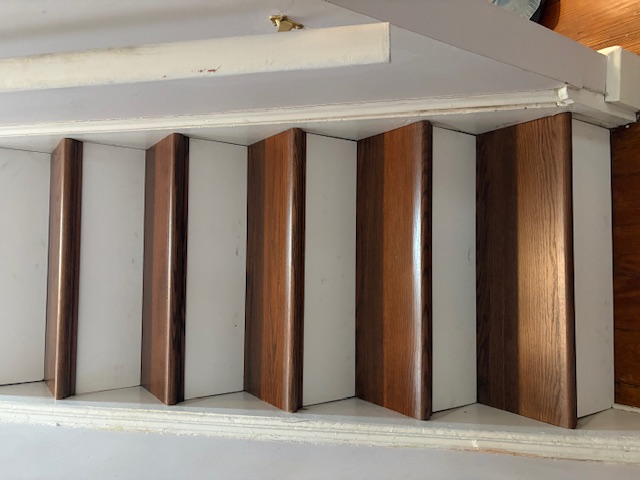
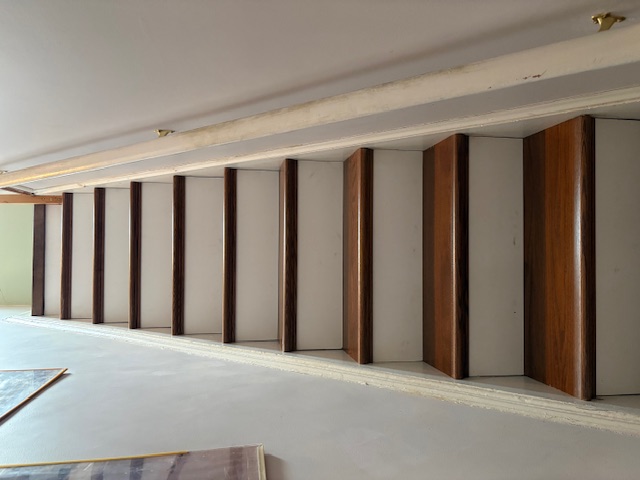
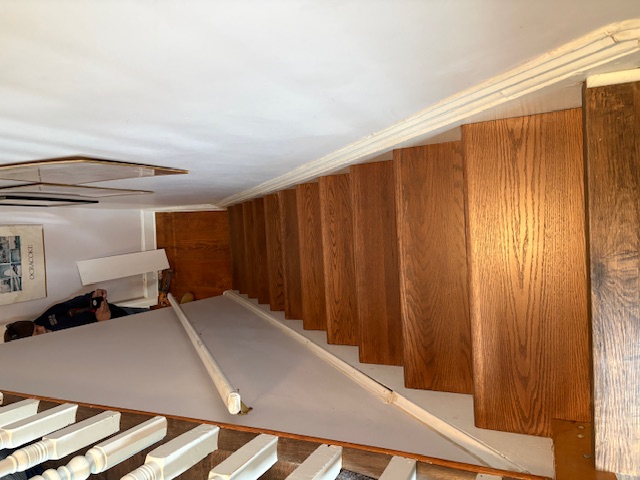
We recently wrapped up a beautiful project installing LVP on a staircase, and the finished result was clean, modern, and perfectly cohesive with the rest of the home. It looked fantastic. But projects like this also remind us how important it is for homeowners to understand what goes into a stair installation before committing to it.
Installing LVP on a flat floor is relatively straightforward. Stairs are not.
Each tread and riser requires precise cuts, proper stair nosing, strong adhesives, and careful alignment. Unlike a floating LVP floor, stair installations are glued down and mechanically secured. There is very little room for error.
Because of the labor involved and the specialty materials required, installing LVP on stairs is typically more expensive than homeowners expect. Between installation time, stair nosing components, and detailed finishing work, costs can add up quickly.
For best results, this is not a weekend DIY project. It’s a job that requires experience and attention to detail.
There are two primary methods used to install LVP on stairs.
Some manufacturers produce solid stair treads that coordinate with their LVP collections. These treads typically include the bullnose (rounded front edge) built into one solid piece.
This approach creates a clean, polished appearance with fewer seams and a durable finished edge. Because the tread is manufactured specifically for stairs, the end result often looks more refined. However, these specialty pieces can be costly and are only available with select product lines.
The second method uses the same LVP planks from your flooring project. The planks are cut to fit each tread and riser, and a coordinating stair nose is installed on the front edge.
This allows you to match your flooring exactly and may reduce material costs. However, it requires precise measuring, careful cutting, and full glue-down installation. Depending on the depth of the stair, visible seams may be present where planks meet.
In both cases, proper adhesion is critical. Stairs receive concentrated foot traffic, and the installation must be secure.
LVP on stairs offers clear advantages, but it also comes with important trade-offs.
On the positive side, it creates a cohesive, modern look that ties your home together beautifully. It’s durable, resistant to scratches, and easy to maintain. When installed correctly, it holds up well to everyday traffic and can complement contemporary design styles extremely well.
However, there are some considerations to weigh carefully. LVP stair installations are often more expensive than homeowners anticipate due to labor and specialty trim pieces. Depending on the product, the surface may be slippery—particularly for households with children, pets, or older adults at risk of falls. Another important limitation is that once LVP is installed, attaching a stair runner later isn’t possible, unlike with traditional hardwood. Some homeowners do choose textured finishes or discreet anti-slip treatments to improve traction.
These factors don’t make LVP a poor choice, but they do make it a decision that should be made thoughtfully.
| Question | Quick Answer / Summary |
|---|---|
| Can you install LVP on stairs? | Yes — but it requires glue-down installation and proper stair nosing. |
| Is LVP installation more complex than regular flooring? | Yes. Stair installations require precise cutting, strong adhesives, and careful finishing. |
| Is installing LVP expensive? | Often more than homeowners expect due to labor and specialty trim pieces. |
| What are the benefits of LVP flooring on stairs? | Seamless look, durability, scratch resistance, easy maintenance. |
| What are the drawbacks of LVP flooring on stairs? | Can be slippery, higher cost, and stair runners cannot typically be added later. |
| Is installing LVP flooring DIY-friendly? | Not recommended. Professional installation is strongly advised. Floor Concepts is an excellent choice if you’re in the Wilmington, DE area. |
| Best for who? | Homeowners who want a cohesive, modern look and understand the cost and safety considerations. |
At the end of the day, you can install LVP on stairs, and when done correctly, it can look incredible. It creates a seamless, modern flow throughout your home and offers durability that stands up to everyday life.
But as you’ve seen, it’s not as simple as installing LVP on a flat floor. Stair installations require precision, specialty materials, and professional expertise. They also come with higher costs, potential slip considerations, and long-term limitations like the inability to easily add a runner later.
If you’re weighing whether LVP is the right choice for your staircase, the next step is to evaluate your priorities: budget, safety, design goals, and long-term flexibility. Seeing product samples in person and discussing installation details can make the decision much clearer.
If you’re considering LVP on your stairs, we’d be happy to walk you through what makes sense for your home and your lifestyle. At Floor Concepts, we’ve helped hundreds of area homeowners navigate this exact decision. The best next step is to see product samples in person and talk through installation options with one of our flooring professionals. Click here to schedule a consultation and get a free estimate with our team.
Thank you for contacting Carpet One Floor & Home. Your local flooring expert will reach out to you regarding your inquiry.