Transparent Flooring Pricing Guidance
How Much Does New Flooring Cost in Wilmington, DE?
Flooring costs can vary widely depending on the materials you choose, the size of your space, and the complexity of installation. Our goal is to give Wilmington homeowners clear, honest pricing guidance so you can plan confidently and avoid costly surprises. From budget-friendly options to premium investments, we’ll help you understand what impacts pricing and what to expect.
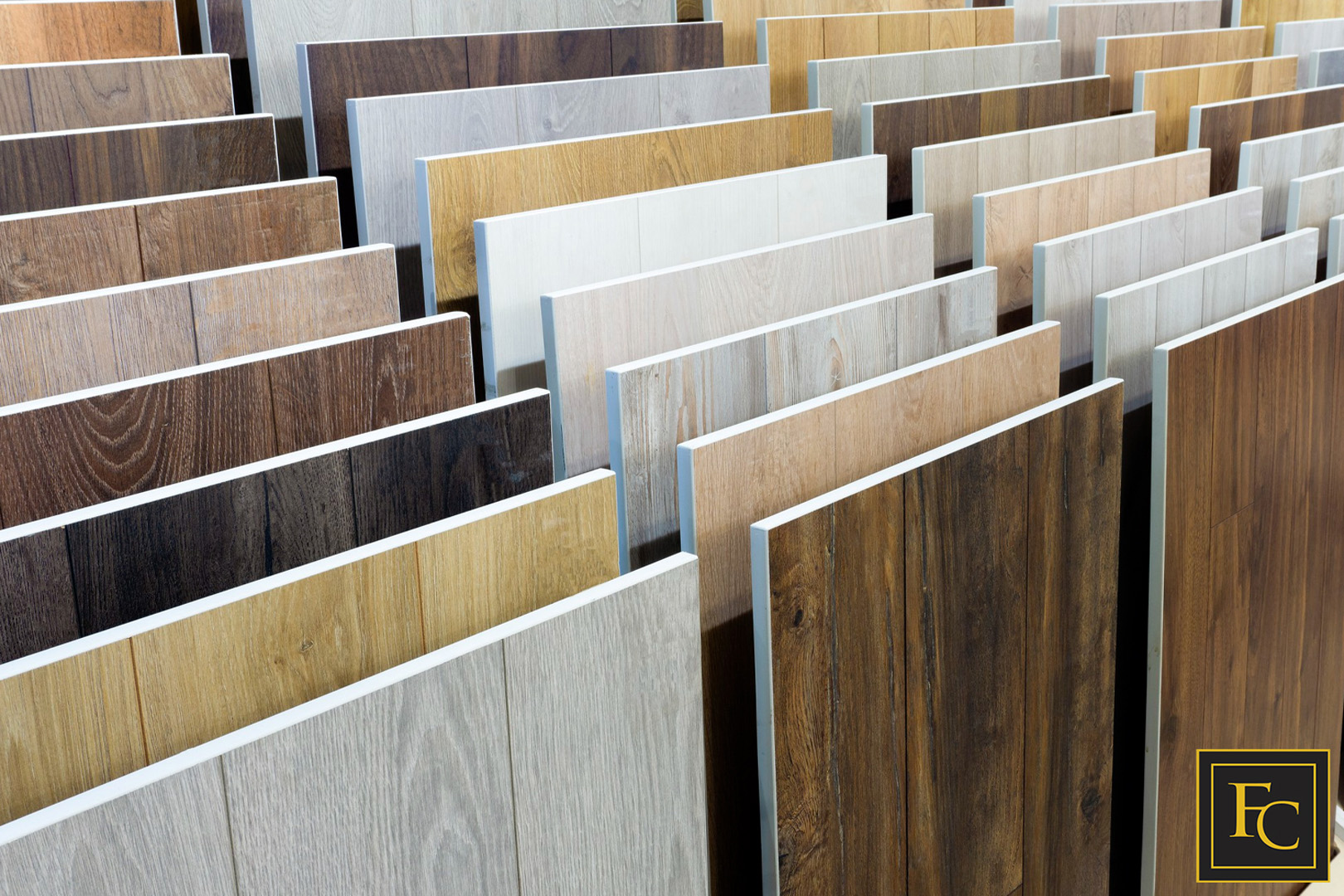
Understanding Today’s Flooring Market
Why Flooring Prices Have Increased Since 2020
We understand that rising flooring costs can feel frustrating, especially if you’ve priced projects in the past. That’s why we believe in being transparent about what’s changed—and why today’s pricing reflects larger shifts across the entire industry.
Material Costs Have Risen Dramatically
Since early 2020, construction and flooring-related material costs have increased significantly due to raw material shortages, manufacturing disruptions, and inflation. In many building sectors, material input costs rose more than 40% from 2020 to 2022 alone.
Labor Costs Continue to Climb
Skilled flooring installers remain in high demand, and labor shortages have pushed wages and installation costs higher. Across the flooring installation industry, labor costs have steadily increased as companies compete for experienced professionals.
Freight and Transportation Costs Increased
Fuel prices, shipping delays, and broader supply chain disruptions have all contributed to higher transportation costs for flooring products. These freight increases affect everything from imported materials to domestic product delivery.
Industry-Wide Inflation Impacts Every Step
From warehousing and packaging to adhesives and installation supplies, inflation has affected nearly every stage of the flooring process. While some pricing has stabilized compared to peak pandemic spikes, overall flooring costs remain notably higher than pre-2020 levels.
What Impacts Flooring Costs Most? Not all flooring projects cost the same, and understanding what drives pricing can help you make smarter decisions for your home and budget. Here are some of the biggest factors that influence whether your flooring investment costs more or less. Premium materials like hardwood, tile, or high-performance luxury vinyl typically cost more than entry-level options due to durability, appearance, and long-term performance. Custom layouts, stairs, furniture moving, subfloor repairs, or removing old flooring can all increase labor time and project costs. Smaller or unusually shaped rooms may require more cuts, waste, and labor precision, which can raise overall costs. Waterproofing, upgraded padding, radiant heat compatibility, or premium finishes can add to the final investment. Laminate, entry-level carpet, or standard vinyl products can help reduce upfront costs while still offering attractive results. Open floor plans, minimal prep work, and installing over suitable existing flooring can help lower labor expenses. In-stock materials or standard styles often cost less than highly customized or special-order products. Scheduling projects strategically and avoiding rushed timelines may help reduce additional costs tied to expedited orders or specialty logistics.What Makes Flooring Prices Go Up or Down?
Factors That Can Increase Flooring Costs Material Quality and Type
Installation Complexity
Room Size and Layout Challenges
Special Features or Upgrades
Factors That Can Help Lower Flooring Costs Choosing Budget-Friendly Materials
Simpler Installations
Standard Product Selections
Planning Ahead
Estimated Flooring Costs by Product Type Every flooring category comes with a range of pricing options depending on material quality, installation complexity, and product features. These general price ranges can help you better understand what to expect as you compare your options. Estimated Range: $3–$12+ per square foot installed Carpet is often one of the most budget-friendly flooring options, though premium fibers, upgraded padding, and custom installations can increase costs. Estimated Range: $5–$10+ per square foot installed Laminate offers an affordable alternative to hardwood or tile, with pricing influenced by thickness, water resistance, and AC durability ratings. Estimated Range: $5–$14 per square foot installed Luxury Vinyl Plank (LVP) pricing varies based on thickness, wear layer, waterproof features, and product construction. Estimated Range: $12–$25+ per square foot installed Hardwood is typically a larger long-term investment due to material costs, installation expertise, and refinishing potential. Estimated Range: $15–$35+ per square foot installed Tile often carries the highest installation costs due to labor-intensive prep, layout, cutting, and grouting, though pricing varies widely by material type. Important Note: These are general pricing estimates, and actual project costs depend on your home, product selection, room size, and installation needs. The best way to get accurate pricing is through a free in-home consultation.What Does Different Flooring Typically Cost?
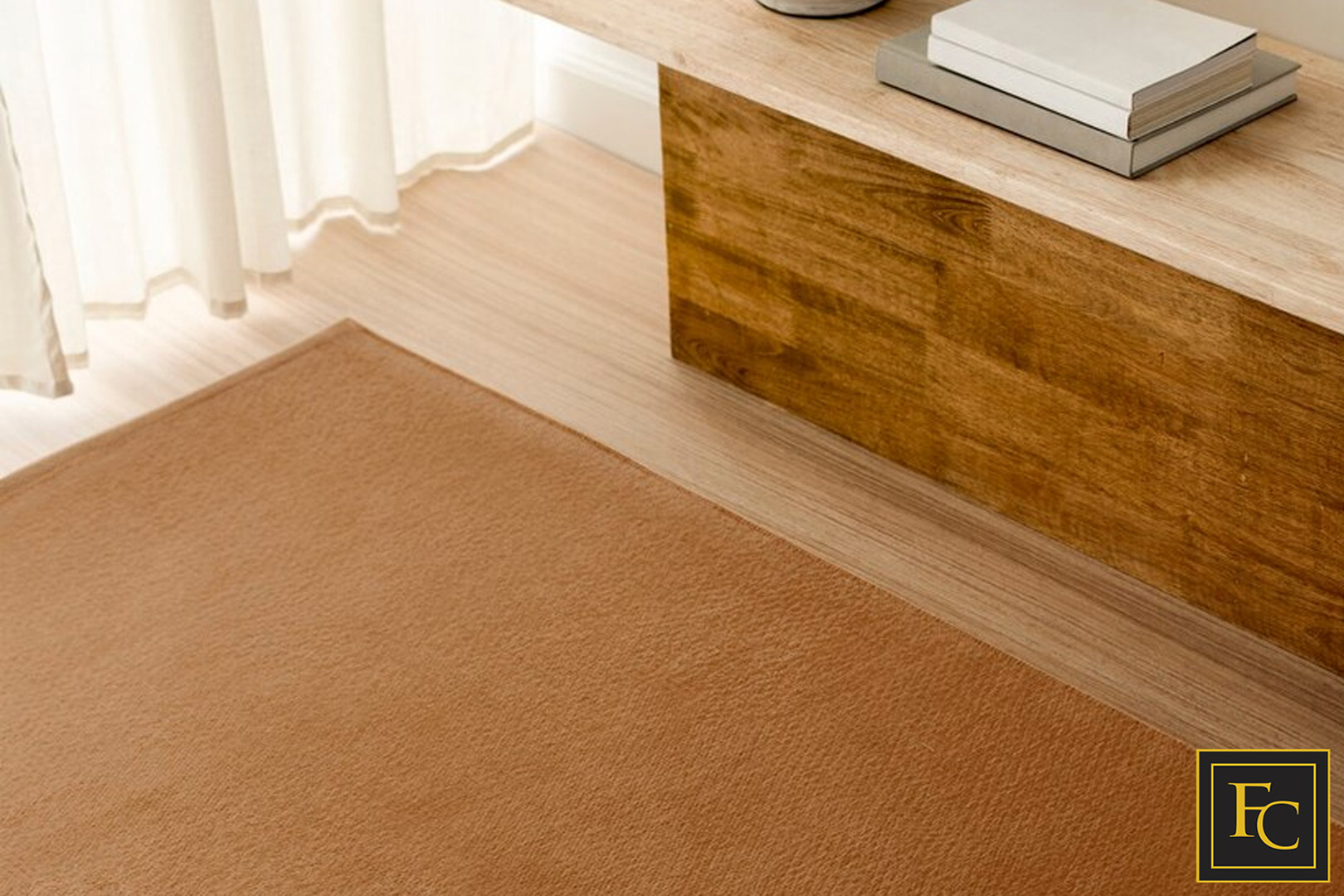
Carpet

Laminate Flooring

Luxury Vinyl Plank

Hardwood Flooring
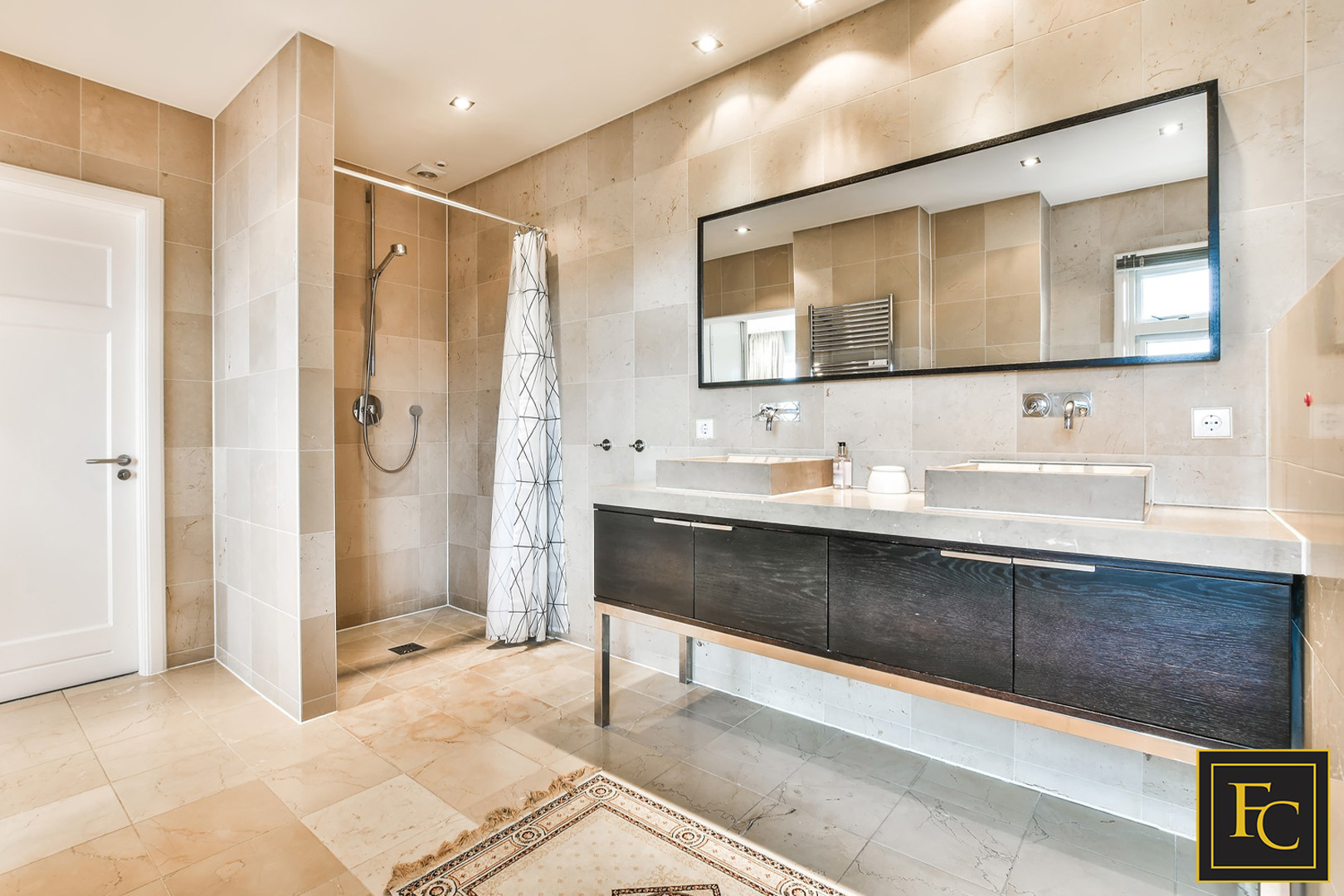
Tile Flooring
Look Beyond the Price Tag Low prices often have hidden trade-offs that aren’t clear right away. Some flooring is made to be budget-friendly, but that usually means it won’t last as long. Cheaper flooring can wear out faster, show scratches more easily, and lose its look sooner. What seems like savings at first can mean replacing your floor much sooner than you planned. Even the best flooring won’t last if it’s not installed properly. Installation problems can show up in different ways. Carpet seams might become visible, planks can develop gaps, and floors may buckle, shift, or feel uneven. When these problems happen, fixing them often means removing parts of the floor, or sometimes even the whole thing, before it can be repaired the right way. One repair might not seem like much, but if problems keep happening, the costs can add up fast. In many cases, homeowners end up paying for the same project twice. What started as a way to save money ends up costing much more.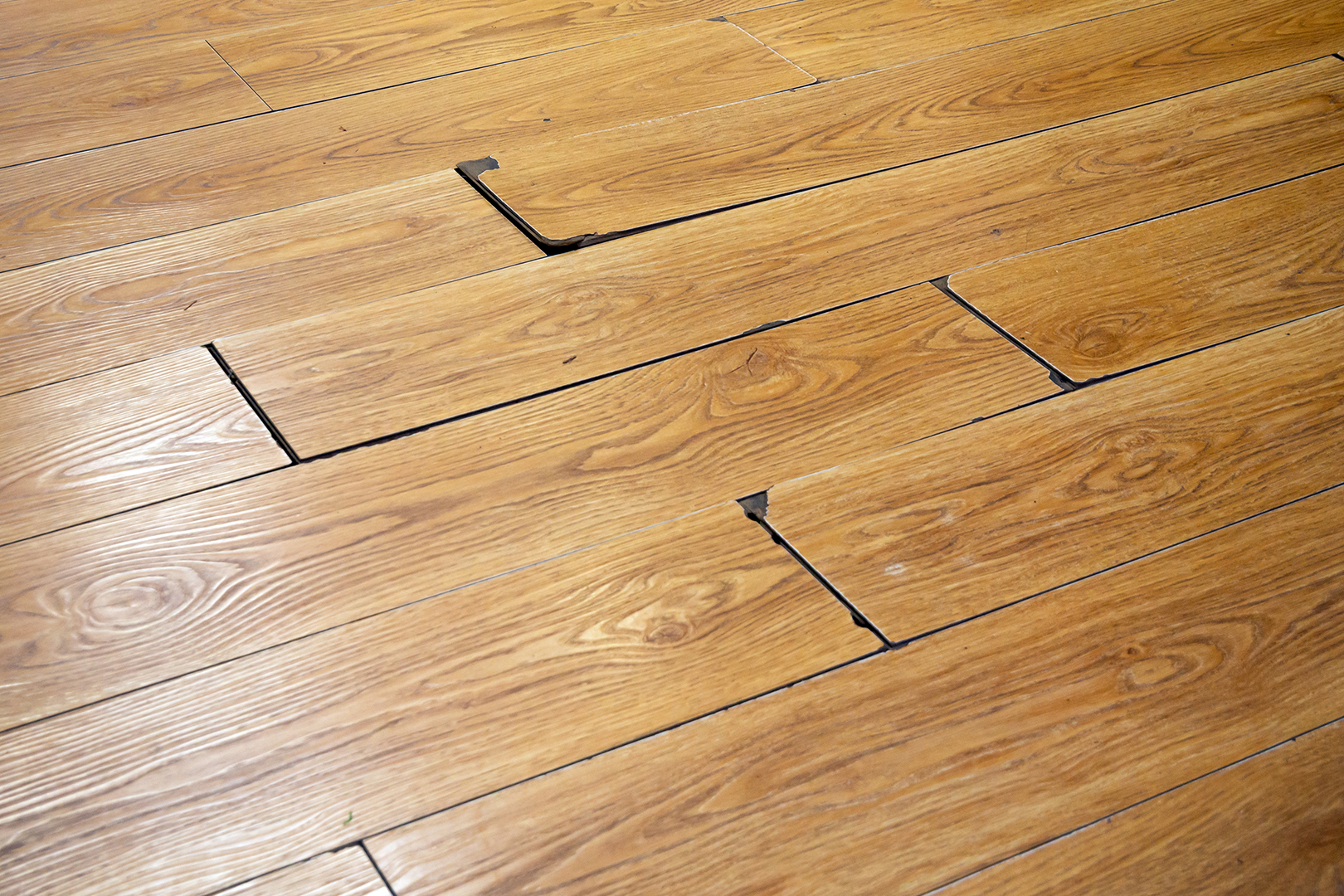
The Hidden Costs of Choosing the Cheapest Flooring Option
Lower Quality Materials Wear Out Faster
Poor Installation Can Lead to Early Failure
Repair and Replacement Costs Add Up
Look Beyond the Price Tag Money isn’t the only thing you lose when a flooring project goes wrong. There’s also the hassle and disruption to your daily routine. When flooring fails early, you have to set up inspections, repairs, or replacements. That means more phone calls, more appointments, and more time spent working with contractors. Until repairs are done, homeowners often have to live with visible damage or flooring that just doesn’t work as it should. In the worst cases, you might have to replace the flooring much sooner than you thought. That means going through the whole process again, from shopping to scheduling and installation.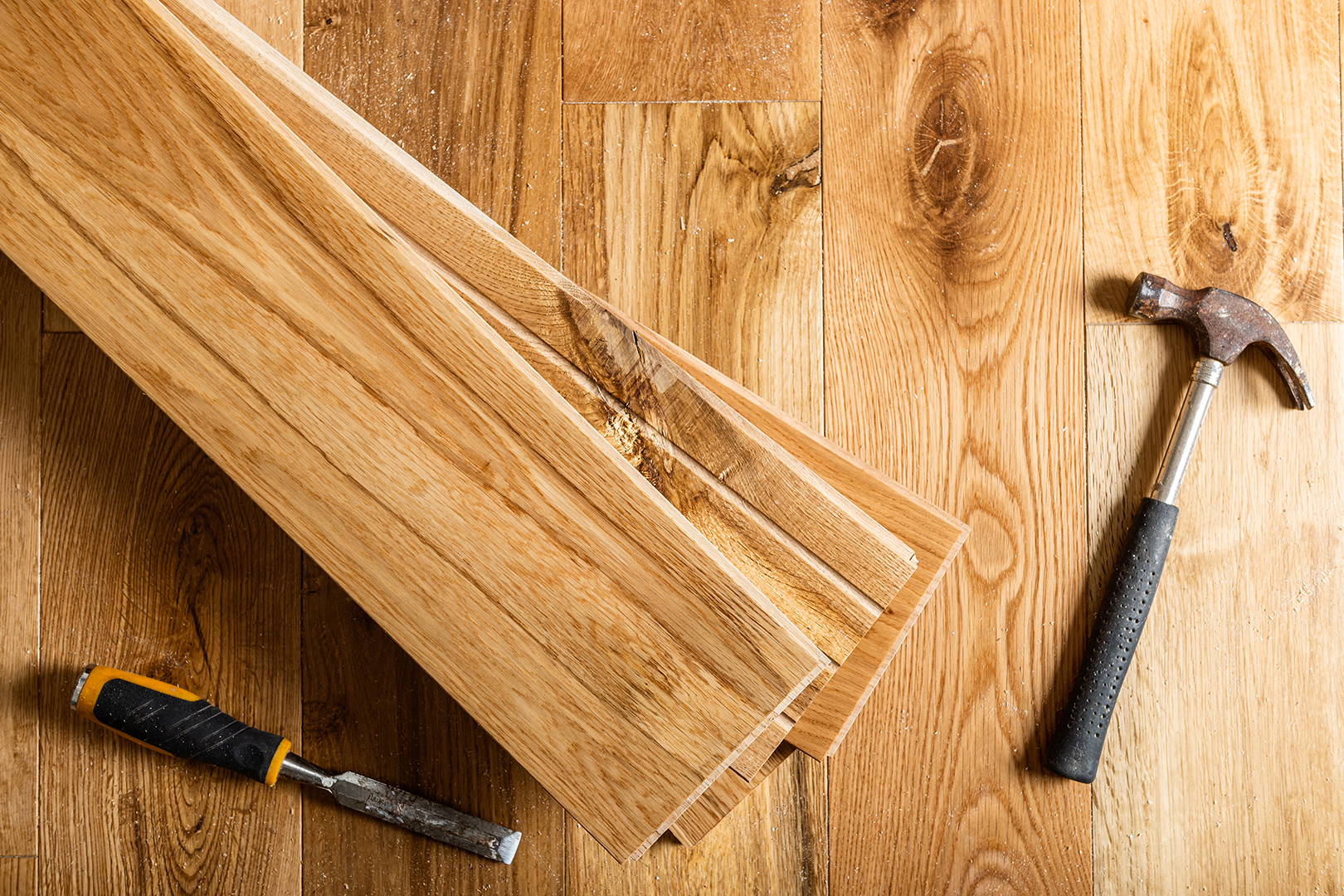
The Cost That Most Quotes Don't Show: Inconvenience
Scheduling Repairs and More Appointments
Living With the Problem Until It’s Fixed
Paying for the Same Project Twice
Look Beyond the Price Tag If you’ve ever gotten several flooring quotes, you’ve probably noticed the prices can be very different. There are several reasons you will see some quotes much lower than others. Some companies keep prices low by offering cheaper flooring. These options might look similar at first, but they often don’t have the same durability, wear layers, or build quality as better products. Labor is a big part of any flooring job. Lower quotes can come from installers who have less experience, smaller teams, or not much training. Good flooring installation is more than just putting down new material. The floor needs to be clean, smooth, dry, and flat before you start. This prep can include leveling the subfloor, checking for moisture, removing old materials, and planning where seams will go. Skipping or rushing these steps might lower the price, but it raises the risk of problems later. Some quotes look cheaper simply because they leave out important parts of the project. Costs for things like subfloor repairs, moving furniture, getting rid of old flooring, or adding transition pieces might be added later. What looks like the lowest price at first can quickly go up when these extras are included.
Why Are Some Flooring Quotes So Much Cheaper Than Others?
Lower Quality Materials
Less Experienced Installers
Shortcuts in Preparation or Installation
Quotes That Don’t Include Everything
Look Beyond the Price Tag The best flooring choice isn’t always the cheapest or the most expensive. It’s the one that gives you the best value over time. Good flooring should be made to handle daily life, including foot traffic, pets, kids, spills, and normal wear. Even the best flooring can fail if it’s not installed right. Experienced installers know how to prep the floor, place seams correctly, and make sure the finished floor works as it should. Every home is different. A busy house with kids and pets might need tougher flooring than a guest room that’s rarely used. Picking the right flooring for your lifestyle helps it last longer.
What Actually Determines the Value of Flooring
Quality Materials Built for Real Life
Proper Installation by Experienced Professionals
Choosing Flooring That Fits Your Lifestyle
Look Beyond the Price Tag Before you pick the lowest quote, it’s a good idea to look closely at what’s included. Start by finding out what the quote covers. A good estimate should list the materials, installation, prep work, and any possible extra costs. It’s also worth asking about the installer’s experience and the types of projects they complete regularly. Installation quality can have a major impact on how long flooring lasts. Finally, think about how long the flooring you choose is expected to last. A product that lasts twice as long might be a better investment, even if it costs more at first.
How to Know If You're Making a Smart Flooring Investment
Not All Flooring Quotes Offer the Same Value When comparing flooring quotes, it’s important to understand that price alone doesn’t tell the full story. Different providers offer very different levels of service, protection, and long-term value—which is why the cheapest option isn’t always the smartest one. At the lowest end of the market, you may find independent installers offering very low prices, but these projects often come with greater risk. Insurance coverage, installation quality, accountability, and future service can all be uncertain. Big-box stores may offer competitive product pricing, but installation is often subcontracted out to third-party installers with varying levels of experience. While convenient, homeowners may receive less personalized service and fewer long-term installation protections. Floor Concepts focuses on balancing competitive pricing with quality, accountability, and long-term peace of mind. We provide vetted professional installers, subfloor preparation, manufacturer warranties, installation warranties, and personalized guidance throughout the entire process. At the premium end, specialized design firms or luxury flooring providers may offer highly customized products and white-glove services, often at significantly higher price points. Our goal isn’t to be the cheapest—it’s to deliver the best long-term value by combining quality products, professional installation, and reliable support that protects your investment.
Where Does Floor Concepts Fit in the Flooring Market?
Lowest-Cost Installers (“Chuck in a Truck”)
Big-Box Retailers
Full-Service Flooring Providers (Where Floor Concepts Stands)
High-End Specialty Flooring Providers
Bottom Line
Estimated Flooring Costs by Product Type Competitor bids may come in lower, but they often rely on cheap building materials that wear out, lack of floor preparation, or inexperienced installation. With Floor Concepts, you’re investing in 1st quality products from every high end manufacturer, backed by a lifetime warranty on both products and labor, giving you safety, style, and peace of mind that lasts.Here’s Why Floor Concepts Delivers More Value for Every Dollar
Home Depot Lowes Airbase Avalon Empire Today Floor Concepts Proof of Establishment Offered Financing Options & Staged Payments Limited Lifetime Product Warranty Bid Includes Demo & Cleanup Price Includes Moving Furniture, Delivery Inside House, Subfloor Preparation Thousands of Samples from the Best Floor Manufacturers Lifetime Installation Warranty Zero Regrets Guarantee Install Professionalism Guarantee Transferrable Warranty
Making Quality Flooring More Accessible We understand that new flooring is a significant investment, and not every homeowner wants—or needs—to pay for it all upfront. Financing options can help make higher-quality flooring more accessible while allowing you to invest in the right solution for your home. Financing can break larger flooring projects into manageable monthly payments, making it easier to choose the products and installation quality you truly want. The right flooring can impact comfort, durability, and even resale value. Financing can help homeowners prioritize long-term performance instead of short-term compromise. Our financing options are designed to make the process as easy and transparent as possible, so you can move forward with confidence. Financing gives many homeowners the flexibility to invest in better flooring without unnecessary financial strain helping you make the right decision for both your home and your budget. The best way to get an accurate price for your project is to schedule a free, no-obligation consultation with one of our flooring experts. We'll measure your space, discuss your design goals, and provide you with a comprehensive and transparent estimate.Flooring Financing Options That Fit Your Budget
Flexible Payment Options
Protect Your Home Investment
Simple, Straightforward Approval Process
Bottom Line
Ready for Your Personalized Quote?
Common Flooring Pricing Questions Flooring pricing can feel overwhelming, especially when comparing multiple products, quotes, and installation options. Here are answers to some of the most common questions we hear from homeowners looking to better understand their investment.Frequently Asked Questions About Flooring Costs